
The problem with youth charities is that you hardly ever notice them until you are in proximity to one. A winter coat drive in a school hallway. On a Saturday morning, teenagers wearing mismatched hoodies are sorting food tins into cardboard boxes that no one has bothered to properly label at a community center. Even though nobody says it out loud, there’s a feeling that something quiet is going on here.
For many years, discussions about social change tended to center on large organizations, such as corporate foundations with glossy reports, governments, and sizable NGOs. However, the true momentum veered off course at some point. It ended up in the hands of young people who, to be honest, weren’t waiting for permission. It’s difficult to ignore how the nature of charitable work has evolved over the last ten years. It seems less theatrical, more obstinate. A bit less polished, but in a good way.
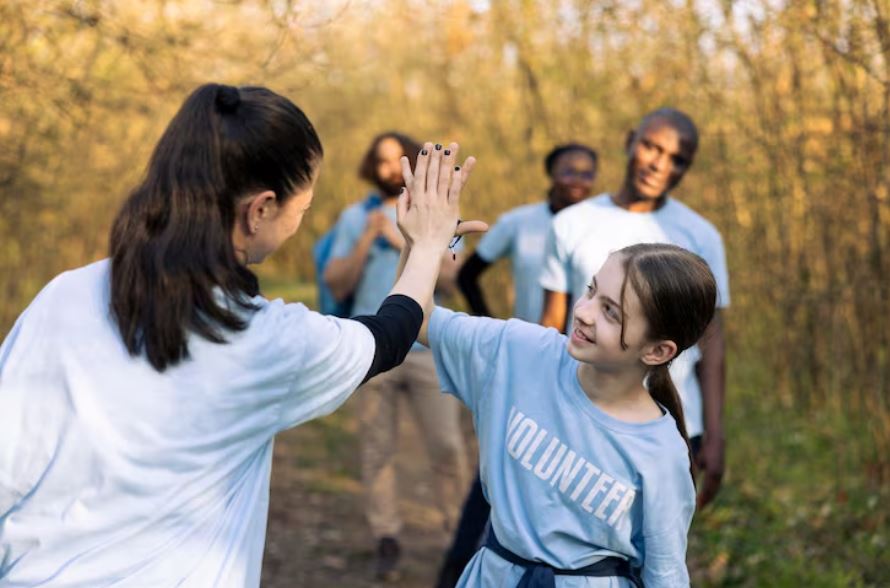
This is partially due to a generational instinct that older observers may undervalue. Teenagers today have grown up watching crises play out in real time on their phones — climate stories, refugee stories, mental-health stories. Cynicism might have resulted from that ongoing exposure. It frequently had the opposite effect. There’s a quiet readiness, especially among 14- to 19-year-olds, to do something small and immediate rather than wait for a perfect plan.
Charity workers I’ve spoken to over the years describe it almost the same way each time. A boy who shows up every Thursday because his older sister used to. A group of girls running a tutoring circle in a borrowed classroom, arguing over whose turn it is to bring the snacks. Nothing about it seems revolutionary. But the cumulative weight of these small commitments is what shapes a culture, and these kids seem to understand that intuitively.
It’s also possible that the shift owes something to how kindness is now taught. Schools have started treating empathy less like a soft skill and more like a habit, the way you’d teach handwriting or punctuality. Gratitude journals, peer-mentor programs, digital-citizenship lessons — these aren’t dramatic interventions, but they accumulate. A child who learns at seven that holding a door matters tends to behave differently at seventeen, when the choices become bigger and quieter.
The psychological research here is interesting too, if not entirely settled. Acts of kindness appear to trigger genuine neurochemical responses — small dopamine releases, reduced stress markers, that vague but real “helper’s high” people talk about. Whether that fully explains why young volunteers keep coming back week after week, I’m not sure. There’s likely something more social at play. Perhaps a sense of belonging. Being needed is a simple comfort.
However, the ripple itself is what most impresses me. It doesn’t make headlines when a single teen organizes a clothing drive. However, a culture spreads when ten of them, in ten cities, inspire classmates, who in turn inspire siblings. It moves in the same manner as water. First slowly, then all at once. The world isn’t being fixed by youth charities. Even though it may seem insignificant at first, their refusal to accept the version of it that was given to them could have far-reaching consequences.