
Only in late autumn in a Northern Irish woodland can you hear a certain kind of silence that is occasionally broken by the snap of a twig beneath a child’s wellington boot. More than any bell in a classroom, that sound seems to sum up what Alliance Youth Works has been doing for more than ten years. Nestled within the grounds of Benburb Castle, the charity has created something subtly ambitious: an educational model that treats a pond-dipping net with the same seriousness as a textbook and integrates science and spirit.
AYW was founded in 2016 without much fanfare. Like ivy and trust, it grew slowly. Teachers in the Newry and Mourne district tend to talk about its flagship program, Eden, in the same way that they talk about a favorite uncle—with a hint of disbelief that something so helpful exists at this price point. Eden has been in operation for about ten years. The starting fee for each student is £3.50. Just that number reveals something about the organization’s goals. The charity seems to be adamant that education shouldn’t be based on a parent’s income.
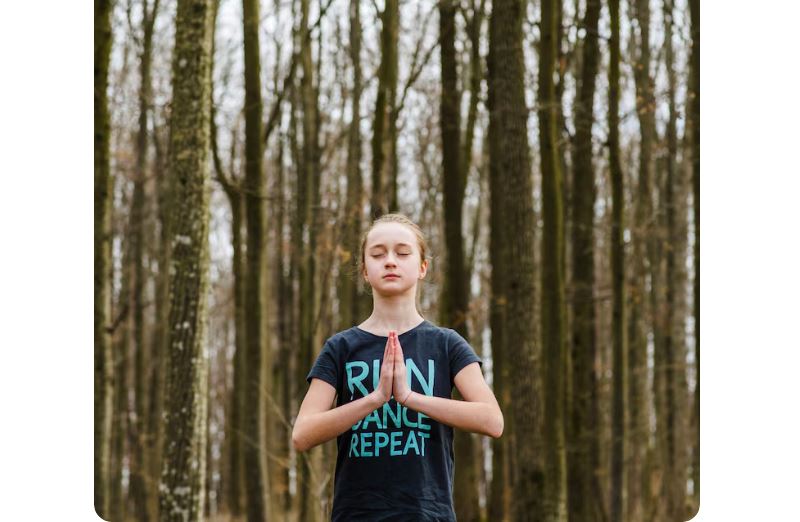
It’s more difficult to describe what makes Eden unique than its founders probably would have liked. According to the official literature, it is weather-resilient, curriculum-aligned, and multisensory. It’s all true. However, you begin to see the appeal when you spend a morning observing a group of nine-year-olds hunched over a stream, suddenly silent because someone has spotted a caddisfly larva. The kids seem to be invited in rather than being instructed. It’s a small difference, but it counts.
Surprisingly, the faith dimension is handled delicately. AYW does not conceal its Christian origins, but it also does not preach. Rather, the charity views environmental stewardship as an ethical practice that is more akin to habit than doctrine. This is gently supported by its collaboration with the Castlewellan Castle Christian Conference Centre, which offers residential biodiversity programs. During the day, kids study ecosystems, and at night, they consider what they have witnessed. Regardless of whether the spiritual framing resonates with every participant, the method feels sincere and is likely more long-lasting than a sermon.
It’s worth stopping to consider how strange this is. Data, carbon counts, rates of deforestation, and the slow drumbeat of crisis are heavily relied upon in the majority of modern environmental education. AYW adopts a different approach. Alarm later, awe first. There is an unspoken but implicit belief that children who have held a frog are more likely to care about the existence of frogs twenty years later. As of yet, no one has been able to demonstrate whether that intuition endures over a generation. However, it seems appropriate.
The charity has carefully grown, offering biodiversity audits, after-school eco-clubs, and advisory visits to schools that wish to plant native plants. When funds are limited, as they frequently are, it conducts sessions in nearby parks. To ensure that the work continues after the visit, teachers and volunteers receive training.
It’s difficult to watch this happen without thinking of people like David Attenborough, whose whole career is based on the notion that wonder comes before care. Through more subdued methods, AYW appears to have reached the same conclusion. Benburb Castle’s walls, which are old enough to recall several centuries of warfare, now contain something softer. Kids, pay attention to kingfishers. It’s not a terrible inheritance.