
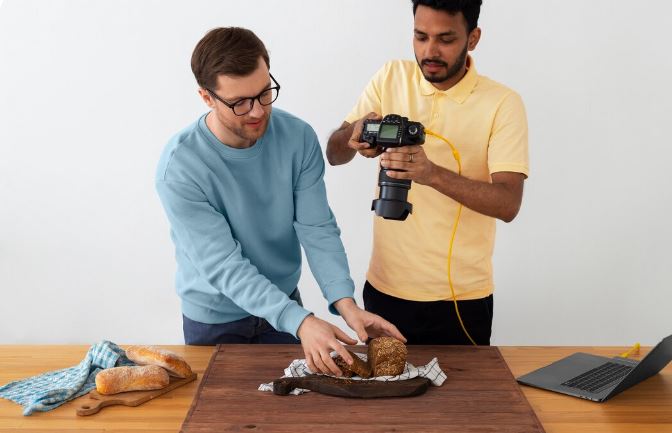
Rarely does a plate that lands elegantly in front of a guest reveal the chaos behind it. Everybody in the kitchen knows instinctively where to land, what to carry, and how quickly to move, much like a swarm of bees. While the dining room remains serene, almost meditative, this rhythm beats softly behind swinging doors. The contrast is eerily reminiscent of a theater that uses a flawlessly lit stage to conceal chaotic costume changes.
| Item | Behind-the-Scenes Detail | Why It Matters | Real-World Example |
|---|---|---|---|
| Mise en place | Preparations done hours before service | Ensures speed and consistency during rush | Sauces, dressings, garnishes assembled in advance |
| Hygiene Systems | Color-coded boards, constant sanitizing | Keeps food safe and prevents cross-contact | Staff wash hands dozens of times per shift |
| Timing Coordination | Staff sync cooking with table pacing | Avoids dishes waiting too long in the pass | Expeditors cue each station with subtle signals |
| Inventory Control | FIFO rotation and forecasting | Reduces spoilage and protects margins | Older ingredients used before newer stock |
| Waste Reduction | Creative cross-utilization | Cuts costs and supports sustainability | Scraps turned into broths, purees or crisps |
| Secret Menus | Guest-invented customizations | Builds loyalty and excitement | Off-menu sandwiches or sauces passed by word-of-mouth |
| Crisis Fixes | Quick recovery during errors | Protects guest experience | Broken plate replaced instantly, dish remade quietly |
| Staff Culture | Strong training and team trust | Ensures safe, steady service | Mentorship between senior and junior cooks |
| Guest Illusions | Polished service hiding chaos | Preserves magic of dining | Lines communicate nonverbally to stay smooth |
| Reference Link | Hospitality insights | For further reading | https://understandinghospitality.com |
Much of that steadiness begins early, long before anyone orders a drink. By late morning, cooks are assembling their mise en place by chopping, simmering, and sorting ingredients. It is a ritual that is incredibly versatile and remarkably effective at keeping things sane when orders spike. I was once informed by a seasoned chef that dinner service would fail before the appetizers were even off the stove if there was no preparation. He was correct; the procedure is still the cornerstone of almost every successful kitchen and is remarkably resilient under duress.
That early planning is especially helpful in the evenings when tables fill and ticket machines begin their shaky printing. It enables chefs to put together meals remarkably quickly, frequently allowing two or three people to touch a single plate in a matter of seconds. One manages a sear, another completes a sauce, and a third places a garnish just right. Although the choreography seems almost unreal, it is simply intuition combined with repetition.
The constant nature of hygiene work makes it invisible to employees. Thermometers look like pocketed talismans; surfaces are continuously wiped; hands are washed until the skin dries. I recall a pastry cook who cleaned a station so thoroughly that her coworkers made a joke about her being able to operate on patients. Nevertheless, her attention to detail made others feel secure, and her demands forced everyone on the team to be much more focused. The fact that there is little opportunity for uncertainty or shortcuts makes that vigilance incredibly dependable.
Inventory rooms are home to some of the quietest workers. Boxes are dated, rotated and shelved with almost obsessive order. To adhere to the First-In, First-Out rule, everything is labeled, stacked, and pushed forward. Although it may appear unremarkable, it maintains waste reduction and cost stability, two metrics that determine whether a restaurant survives. Owners frequently highlight how the mood of the entire staff is affected by inventory decisions that are calmly made in the back. The team feels lighter when the ingredients are ready, plentiful, and fresh. Although it’s a minor fact, it has a significant impact on morale.
The inventiveness with which kitchens repurpose scraps is also charming. Chefs maintain value that might otherwise be lost in the trash by incorporating leftover vegetables into broths or folding fish trimmings into croquettes. Many restaurants’ sustainability practices have significantly improved as a result of this strategy. In an encouragingly modern loop, some are even reserving compost for nearby farms. The influence of these extremely effective systems extends well beyond a single shift.
Kitchens aren’t ideal havens, of course. Every day, hidden mishaps occur, sometimes with humorous timing and other times with frustration. A server’s tray fell beneath a row of cocktails, and I once saw them run to the back. Mint leaves clinging to an apron, orange peel stuck to a shoe, glass everywhere. However, the bar crew rebuilt everything in a matter of minutes, creating replacements with an admirably calm yet chaotic energy. Strategic teamwork prevented the catastrophe from becoming a table-ruining spectacle and instead made it a passing memory.
Equipment failure at the most critical time causes other crises. An ice maker coughing its last breath, a clogged fryer, or a broiler that isn’t working properly can all be frustrating interruptions. However, experienced teams bounce back fast, simplifying processes and freeing up additional personnel to help. In those situations, their ability to adapt as a group is remarkably evident. Before guests notice anything, they put operations back together with fast jokes, hurried glances, and decisive gestures.
Secret menus give this ecosystem a peculiar charm of their own. They frequently begin with a staff meal experiment or a special request from a devoted customer. These off-menu items eventually turn into little legends that are shared among insiders. They provide diners with a lighthearted sense of being “in the know,” but they don’t call for any additional ingredients or complications. Through these unnoticed additions, I have witnessed friendships develop between servers and patrons. Despite its whimsical appearance, it is a very powerful loyalty tool.
The emotional makeup of a staff member is something that visitors seldom notice. Teams manage friendship, rivalries, stress, and rigorous mentoring behind courteous smiles. Young chefs closely observe seasoned chefs, taking in both technique and demeanor. The most effective leaders correct politely, explain calmly, and give genuine praise. When given proper treatment, employees become incredibly dependable in high-pressure scenarios. Every aspect of service is impacted by strong leadership, from the presentation of dessert plates to the way salad greens are tossed.
Additionally, there is a culture that prioritizes ensuring the comfort of visitors. Bussers sweep crumbs before guests notice them, runners move like shadows, and servers fold napkins in silence. It’s a style of attentiveness that feels almost magical when done right. When a couple spilled a full glass of wine at a restaurant where I once dined, the floor crew quickly showed up with fresh linens, new glasses, and a kind assurance that everything was okay. The couple’s entire evening changed when they started laughing rather than freaking out.
Such minor interventions frequently have a significant impact on food memories. Consider a mother and daughter who connect over a meal that reminds them of their early years. Or the lone diner who, the chef deciding, needed warmth, gets an extra appetizer. These gestures give restaurants their emotional currency, reminding us that hospitality is not just service but a form of connection. Teams can create unexpectedly lasting experiences by incorporating kindness into every shift.
Employees frequently characterize their work as “controlled chaos,” which seems incredibly accurate. It is a dance of small but crucial decisions. Despite the whirling urgency behind the scenes, when everything is working, the service feels cohesive and almost calm. The team uses mutual trust and muscle memory to tighten formation when things get shaky. One of the most amazing things about hospitality is the contrast between the chaos backstage and the serenity in front of the house.
Even the most difficult nights teach us valuable lessons for the future. Chefs modify recipes, servers improve pacing, and managers check for mistakes. These reflections have improved how teams learn from every shift and greatly decreased operational friction over the last ten years. Because it emphasizes progress over perfection, that progress is especially inventive. Menus change, kitchens adapt, and employees become more self-assured. Every service turns into a practice run for something better.
This is perhaps the most fascinating fact concealed behind restaurant doors: the industry thrives on its ability to reinvent itself. Teams find new ways to help one another through every spill, shortfall, substitution, and unexpected rush. Their flexibility is encouraging, particularly given that diners now demand both surprise and comfort. Many eateries have embraced this change in recent years, creating sustainable, compassionate, and unquestionably hopeful practices.
There is work, creativity, and a silent faith that hospitality can still produce memorable moments behind every plate. And even if guests never witness the backstage fluttering, the impact of that unseen labor shapes every bite, every interaction and every lingering smile.