
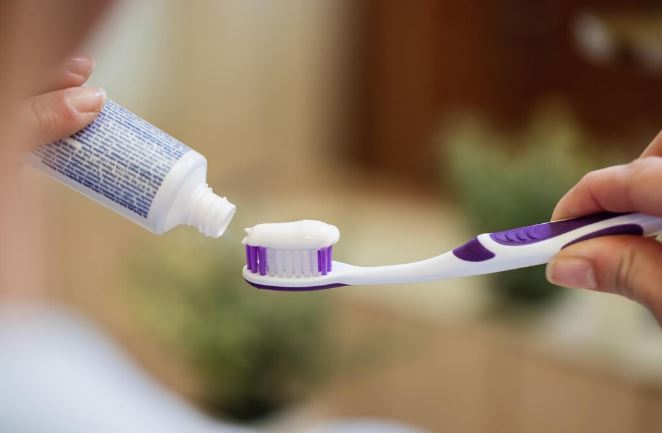
The ritual appears nearly the same in countless homes on a typical morning. A tiny brush. A squirt of toothpaste with vibrant colors. A kid is watching foam swirl down the drain while standing on tiptoe over the sink. That moment has been a silent parenting ritual for decades.
For this reason, the Colgate children’s toothpaste lawsuit seems a little unsettling. The product in question is neither novel nor exotic. It’s toothpaste. Parents have trusted it without giving it much thought.
However, several class-action lawsuits filed in 2025 have unexpectedly brought attention to that common practice.
| Category | Details |
|---|---|
| Company | Colgate-Palmolive Company |
| Founded | 1806 |
| Headquarters | New York, United States |
| Products Involved | Hello Kids Toothpaste, Tom’s of Maine Kids Toothpaste |
| Main Allegations | Presence of heavy metals (lead, arsenic) and misleading marketing of fluoride products |
| Lawsuit Type | Class-action lawsuits filed by consumers |
| Key Cases | Barton v. Colgate-Palmolive Co.; White v. Colgate-Palmolive Co. |
| Year Filed | 2025 |
| Health Concerns Cited | Lead exposure, fluoride overuse, dental fluorosis |
| Current Status | Ongoing litigation and regulatory scrutiny |
| Reference | Hello, Kids Toothpaste, Tom’s of Maine Kids Toothpaste |
The cases focus on children’s toothpaste products marketed under Colgate-Palmolive’s brands, such as the company’s natural products brand Tom’s of Maine and the “Hello” kids toothpaste line. According to the lawsuits, the manufacturer marketed the products as natural and safe while selling them that allegedly contained detectable amounts of heavy metals like lead and arsenic.
If those assertions seem concerning, they were intended to be so.
Lead levels in some toothpaste samples reportedly ranged from 236 to 658 parts per billion, according to independent testing mentioned in one lawsuit. The plaintiffs contend that those figures surpass safety benchmarks found in other kid-friendly goods, such as candies or infant formula.
Many of the allegations are contested by Colgate, and the cases are still pending. However, the accusations alone have spurred a wider discussion about what’s truly in common hygiene products—something that most consumers hardly ever look at.
The packaging appears almost happy as it stands in the grocery store toothpaste aisle. Sharks in cartoons. Unicorns. flavors of watermelon. Some tubes look more like candy than dental care.
The legal argument revolves around that design decision.
According to the lawsuits, the product’s colorful packaging and sugary flavors are meant to appeal to kids while giving the appearance that it is safe, natural, and free of toxins. According to the complaints, parents might logically believe that those claims indicate the ingredients are carefully regulated.
However, plaintiffs claim that the products include ingredients, even in trace amounts, that shouldn’t be present in children’s oral care products.
It remains to be seen if that claim is ultimately upheld in court.
However, the dispute is part of a larger trend. Concerns regarding trace contaminants have been raised by the rise in consumer lawsuits over the past few years that target commonplace items like baby food, cosmetics, and bottled water.
It’s difficult to ignore how often heavy metals come up in these conversations. Arsenic, lead, and mercury. substances that seem more appropriate for environmental reports than for cabinets in bathrooms.
The complexity of manufacturing is a contributing factor. Numerous components found in consumer goods come from agricultural or natural mineral sources, which occasionally include traces of heavy metals. Manufacturers contend that these levels usually stay within safety bounds and are frequently unavoidable.
However, plaintiffs in the Colgate cases maintain that the business did not adequately disclose those risks.
The lawsuits also touch on fluoride, a mineral that has long been used to fortify tooth enamel and stave off cavities. In small doses, fluoride itself is not controversial. For decades, dentists have advocated for it.
When kids swallow too much, the issue occurs.
According to some lawsuits, toothpaste marketing, particularly pictures of a long toothpaste ribbon running across a toothbrush, incites children to use more toothpaste than is advised. Young children may consume too much fluoride because they frequently swallow toothpaste instead of spitting it out.
Pediatric dentists are well aware of that risk.
Dental fluorosis, a disorder that alters the appearance of enamel, can be brought on by excessive fluoride exposure during childhood. Severe exposure can cause symptoms like nausea. According to the lawsuits, businesses failed to sufficiently highlight those risks.
Colgate has already committed to making some changes to its packaging. The company announced plans to use images of a “pea-sized” amount of toothpaste on children’s product packaging after a regulatory investigation in Texas.
Although it’s a minor visual alteration, it captures the larger conflict between marketing and health advice.
As this story develops, it becomes somewhat unsettling to see how much faith consumers have in commonplace brands. Like soap or shampoo, toothpaste is a product that is used automatically and without much thought.
That trust is hard to quantify but simple to undermine.
The lawsuits pose a delicate challenge for Colgate-Palmolive, a company with over two centuries of history. Dependability and familiarity have been the cornerstones of the brand’s reputation. The same name was printed on the toothbrush used by generations.
Legal disputes don’t make that go away right away.
However, the resolution of these cases may influence future marketing strategies for children’s hygiene products. Class-action lawsuits, according to consumer protection attorneys, are a means of enforcing transparency in sectors where regulation is sluggish.
Occasionally, they are successful. They don’t always.
Meanwhile, parents still remind kids to brush for two minutes every morning by standing next to bathroom sinks.
Not much has changed in the routine.
However, some families who follow the news have a persistent thought that wasn’t there prior to the emergence of these lawsuits.
What is contained in that tiny toothpaste ribbon?